Tommy’s story: how family supported him as a man with an eating disorder in the 90s
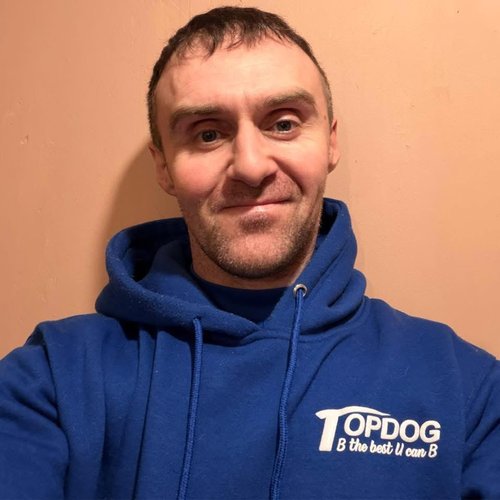
At least 1.25 million people in the UK have an eating disorder, and around a quarter of them are men. Despite this, men still face barriers in accessing treatment due to shame and stigma. Tommy, from Ayrshire, first experienced symptoms of anorexia and bulimia in 1997 following his mother’s death.
“I think everything was based around grief. I just wasn't really able to deal with the things that were going on in my life, and trying to speak about things as a man is really difficult,” he says.
His biggest support was his dad – even though he was afraid to tell him what was going on in the beginning. “He was brought up in the 50s and 60s. He'd always say to me that a man keeps his tears to himself, and he did that through losing my mum. You would never see my dad open up.”
Tommy avoided speaking to his dad about how he was feeling, but his dad knew something was wrong. He told Tommy “I know you have an eating disorder. You can open up and tell me these things, and I'll be there to support you because I love you.”
From there, Tommy’s dad was with him every step of the way: from helping him get treatment in the community to supporting him while he was in hospital. “My dad was always there for me.”
Tommy recovered, but in 2006 he had a relapse following a series of stressful events. Again, his dad stepped up to help. This time, he told Tommy, “Don't recover for your wife, don't recover for me. Do it for yourself.”
Unfortunately, his dad passed away in 2014. Tommy was devastated but determined to get better. “That was the catalyst that really helped me recover,” he added. During this time, his wife was a great support to him. “She would help take care of my meals, and be there for me to open up to. She didn’t give me any answers - it was more being there for me and validating my feelings.”
Now recovered, Tommy volunteers for Beat and is determined to raise awareness of how eating disorders affect men. Reflecting on his recovery journey, he says having a strong support network was incredibly important for him: “I think having people that you can speak to, whether that's a family member or a friend, is really vital.”
Help us change lives
Donate today to help us provide more vital support to people who are affected by eating disorders.
Related Pages
18 February 2026
When Millie became unwell with anorexia, her dad was her biggest support. Now recovered they raised over £5,000 for Beat.
Read more18 February 2026
Bryony shares her experience of recovery from bulimia and how finding community helped her.
Read more18 February 2026
Luca shares his story of anorexia recovery as a member of an under-represented community.
Read more18 February 2026
Our fantastic case studies below have shared their stories of eating disorder recovery and how their community supported them.
Read more